


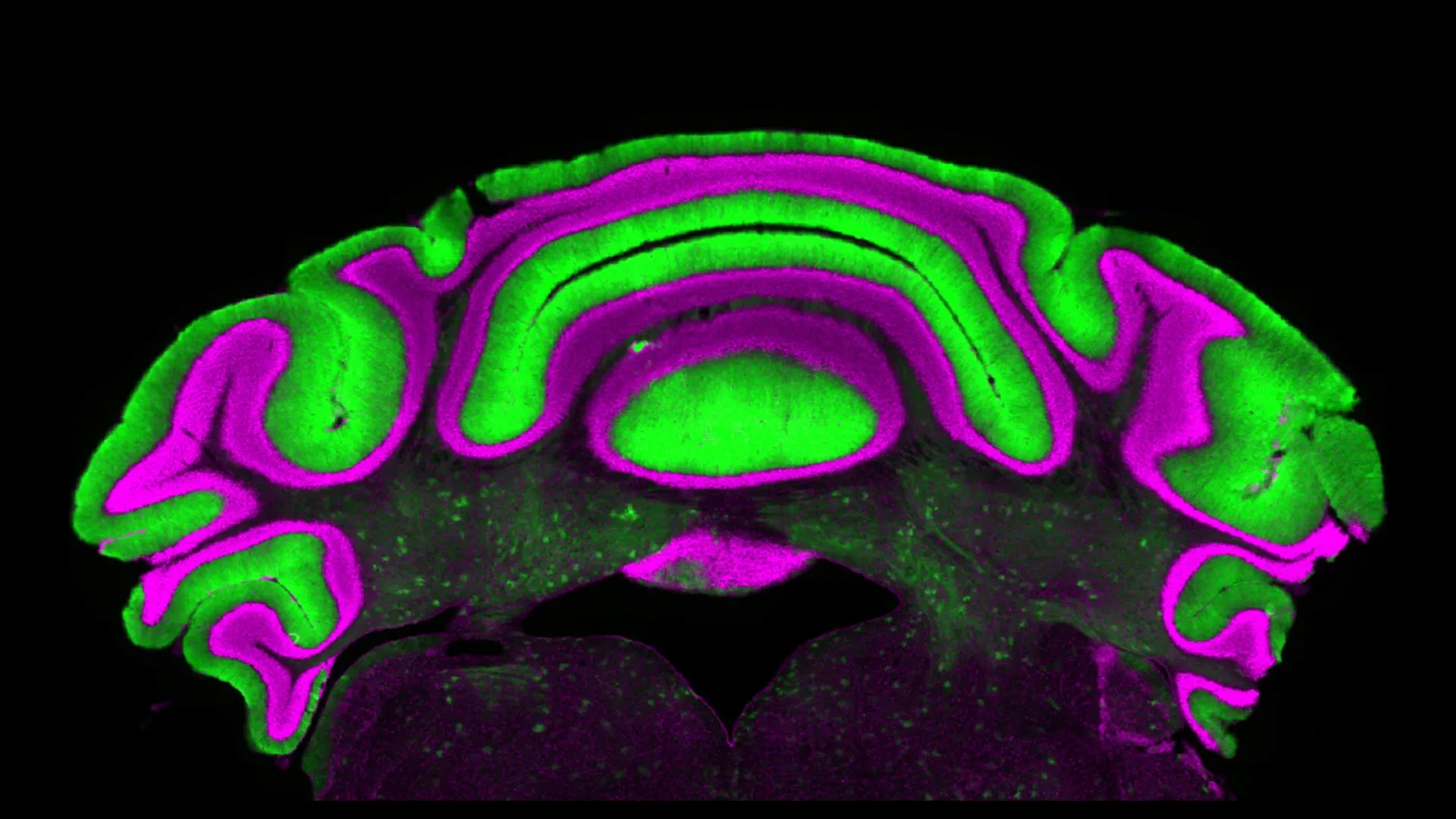
A surprising discovery is overturning a long-held assumption about how the brain’s movement center works. Researchers found that two key cerebellar cell types—thought to be tightly linked—often don’t behave in predictable ways, even though one directly influences the other. The finding suggests scientists may have been relying on the wrong signals when studying disorders such as dystonia, ataxia, and tremor.
A surprising brain discovery is forcing scientists to rethink movement disorders
A surprising discovery is overturning a long-held assumption about how the brain’s movement center works. Researchers found that two key cerebellar cell types—thought to be tightly linked—often don’t behave in predictable ways, even though one directly influences the other. The finding suggests scientists may have been relying on the wrong signals when studying disorders such…
About the Author

Previous Post
Next Post
Leave a Reply
Latest News


Stay Connected
Categories
Business Health India Politics Science Sports Technology Uncategorized World
Tags
About the Author

AF themes
Easy WordPress Websites Builder: Versatile Demos for Blogs, News, eCommerce and More – One-Click Import, No Coding! 1000+ Ready-made Templates for Stunning Newspaper, Magazine, Blog, and Publishing Websites.

Search the Archives
Access over the years of investigative journalism and breaking reports
You May Have Missed
