


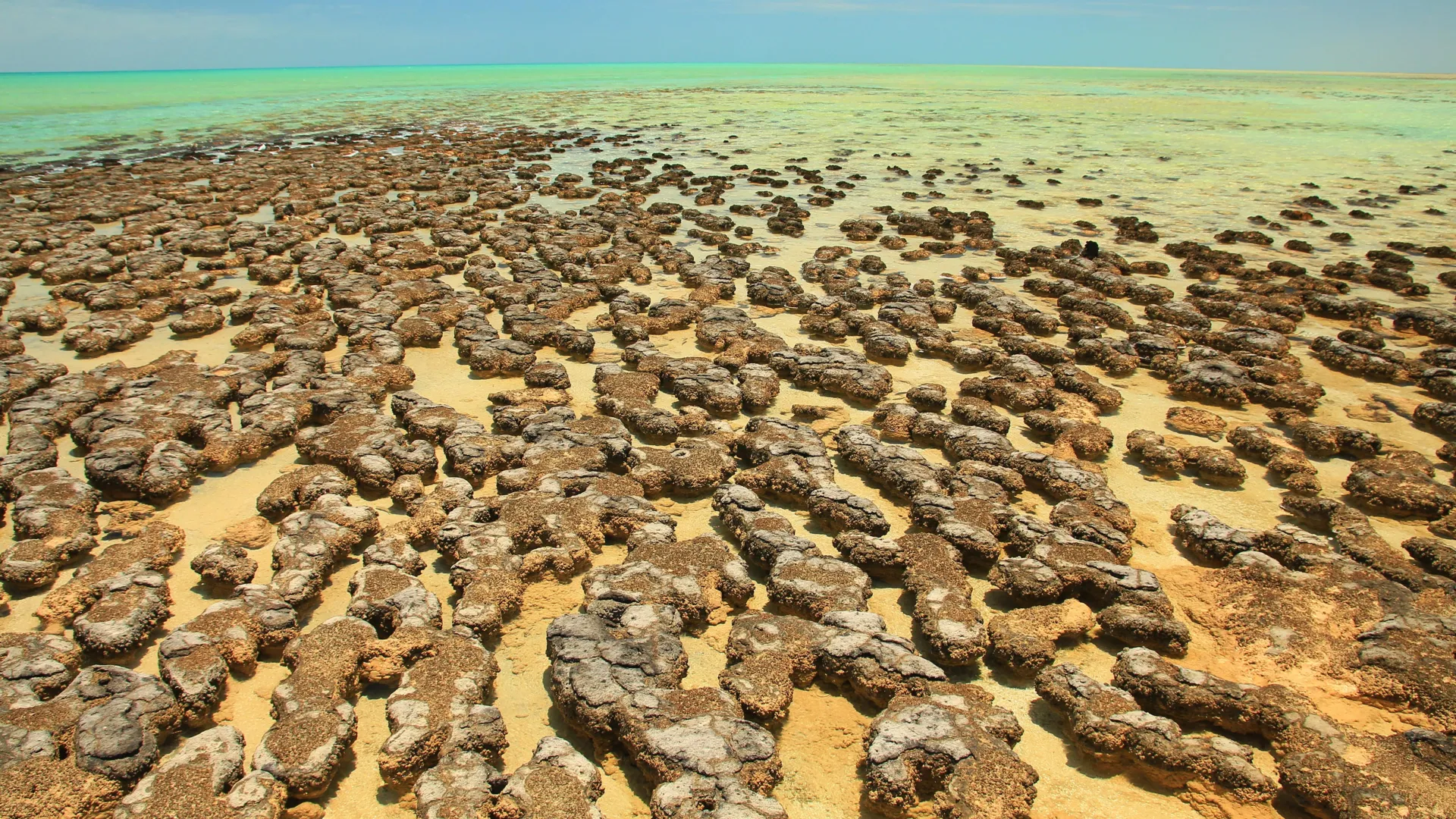
A hidden crater in South Korea may hold clues to one of the biggest turning points in Earth’s history: the rise of oxygen. Scientists discovered fossil-like stromatolites — layered structures built by ancient microbes — inside the Hapcheon impact crater, suggesting that asteroid strikes may have created warm, mineral-rich lakes where early oxygen-producing life could flourish.
Ancient asteroid craters may have sparked Earth’s oxygen-producing life
A hidden crater in South Korea may hold clues to one of the biggest turning points in Earth’s history: the rise of oxygen. Scientists discovered fossil-like stromatolites — layered structures built by ancient microbes — inside the Hapcheon impact crater, suggesting that asteroid strikes may have created warm, mineral-rich lakes where early oxygen-producing life could…
About the Author

Previous Post
Next Post
Leave a Reply
Latest News





Stay Connected
Categories
Business Health India Politics Science Sports Technology Uncategorized World
Tags
About the Author

AF themes
Easy WordPress Websites Builder: Versatile Demos for Blogs, News, eCommerce and More – One-Click Import, No Coding! 1000+ Ready-made Templates for Stunning Newspaper, Magazine, Blog, and Publishing Websites.

Search the Archives
Access over the years of investigative journalism and breaking reports
You May Have Missed